
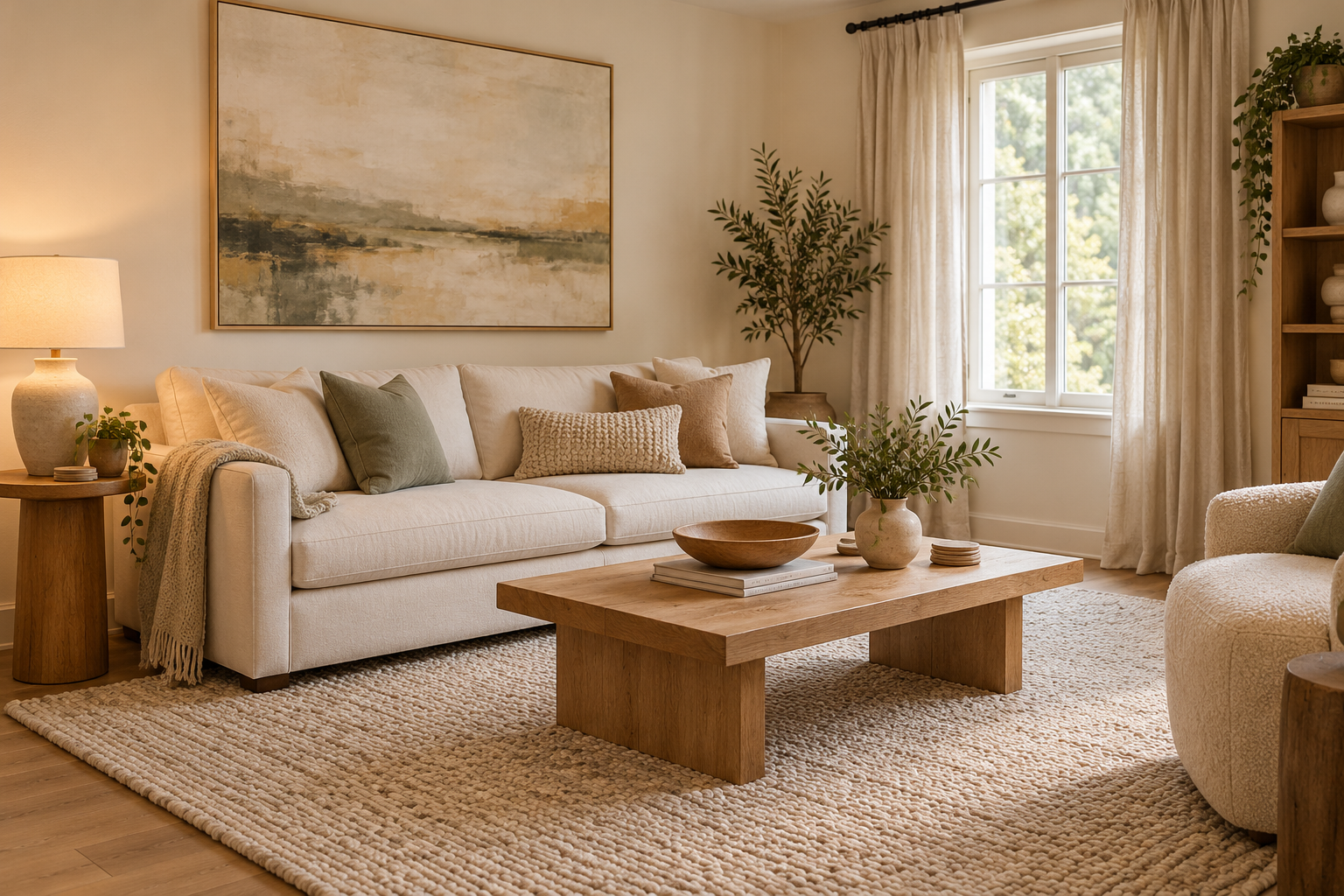
Image: AI-generated room concept for illustration, not a photograph of specific products.
The sofa is there. So are the coffee table, chairs, and a few things you genuinely like. Yet the room still feels like you just moved in.
Before adding another vase or throw pillow, check four things: the rug’s relationship to the seating, the artwork’s relationship to the wall, the curtain placement, and where the light comes from.
Our suggested order starts with the largest visual relationships. These are experiments to try, not decorating laws. A room can feel finished in more than one way.
Start with a photo and one question
Take a photo from the doorway in daylight, then another from the same spot after dark. Put away the temporary clutter first, but don’t restyle the room.
Ask: What catches my attention that I wish didn’t?
Maybe the rug looks stranded under the coffee table. Maybe the artwork feels disconnected from the sofa. Or maybe everything looks fine until the ceiling light comes on.
Choose the strongest mismatch. You don’t need to fix all four categories.
If the clutter starts at the front door, choose an entryway setup that fits your walkway before buying more decor.
Now check the view from your seat
The prettiest part of your living room might be behind your head.
Once you’ve looked at the doorway photo, sit in the spot you actually use. Settle in normally rather than sitting up straight for a better view. What’s in front of you? What keeps catching your eye?
Try the other regularly used seat, too. You’re checking whether a change works for the people who sit here, not just for the photo.
Look for four things:
- Lamp glare. Can you see the exposed bulb from your seat, or its reflection in the television? Check with your normal evening lights on. Try a different safe position for the existing lamp before shopping for another. Turn it off and let it cool before moving it, keep the base stable, and keep cords out of walking paths. Never cover a shade or bulb with fabric.
- Your line of sight. Is the picture you love hidden behind a chair back? Does your view end at a blank wall you dislike or a distracting pile? Try relocating something you already own, or grouping a few small objects on an existing surface. You don’t need to fill every empty space.
- A reachable surface. When you sit down, where do your glasses and remote go? A small tray you already have might give them a home. Keep useful things within reach instead of moving them across the room just to improve the picture.
- Switch access. Can you still reach the lamp’s switch comfortably after moving it? Check from both seats. A nicer arrangement isn’t much help if you have to squeeze behind furniture every evening. If reaching each switch is the problem, compare ways to control multiple lamps.
Choose one change and try it during an ordinary evening. Leave the rest of the room alone for now. If you still want to buy something, write down its exact job and measure the actual space first.
“Something for the living room” is a shopping trip. “A shallow tray that fits here and holds these three things” is a decision you can actually finish.
1. Does the rug connect the seating?
Look at the sofa, chairs, and rug as a group. Do they feel like one place to sit, or separate objects scattered across the floor?
Measure the rug’s actual length and width, then measure the seating arrangement. Sketch both on paper. Try shifting the rug or bringing a chair closer before assuming you need a larger size.
One arrangement worth testing puts the front legs of the main seating pieces on the rug. Home Depot’s rug guide includes this option, alongside other layouts. It isn’t a requirement for every room. Rug layout reference
If repositioning improves the grouping but your rug cannot reach where you want it to, size may be your shopping priority. Compare dimensions before colors. Then check pile height, care instructions, and whether the proposed rug and pad suit your flooring and everyday use.
2. Does the art belong to the furniture below it?
A piece can be beautiful and still look visually lost above a wide sofa.
Measure the artwork’s outer frame dimensions and the furniture below it. For a grouping, measure the whole arrangement, including the gaps. You’re checking the overall shape, not following a mandatory ratio.
Before buying art, arrange paper templates or a simple photo mockup to compare a wider grouping with your current layout. Try bringing existing pieces together instead of spreading them across the entire wall.
If the grouping feels better, you may already own enough art. If one small piece matters to you, it can stay small. Consider giving it a more intimate location rather than replacing it simply to fill space.
3. Are the curtains framing the window as intended?
Stand back with the curtains open, then closed. Notice where the fabric collects, how much glass it covers, and whether the panels reach the endpoint you prefer.
Record the current rod position, window width, curtain length, and attachment style. Before changing hardware, use a photo mockup to compare a different rod position. Moving a rod can also change the panel length you need.
Try redistributing the existing panels first. Sometimes uneven fabric, rather than the curtains themselves, is what looks unfinished.
If you do shop, compare the rod’s stated span and capacity with your curtain choice, and check mounting requirements. Curtain headings and hardware need to work together; Home Depot’s guide explains different rod types and compatibility considerations. Curtain rod reference
4. Does the room only work in daylight?
If your daylight photo looks inviting but the evening version feels flat, test lighting before buying decor.
Switch on the lamps you already own individually. Notice which seat gets useful light and which areas disappear. Temporarily try an existing lamp in another suitable location, following its instructions.
For shopping, give the lamp a job: light beside a reading seat, a softer glow near the sofa, or illumination for a dim corner. Compare overall dimensions, shade shape, switch access, bulb compatibility, and cord placement. A lamp that looks attractive in a product photo still needs to work where you will use it.
A reading-light option, if that is the missing piece
Before buying, try a lamp you already own beside the chair after sunset. If that solves the problem, stop there.
If you need directed light without another end table, the Brightech Leaf in Antique Brass is worth considering. Its adjustable arm and head let you aim light toward the page; it stands 53 inches tall and has a three-level touch dimmer. Choose it for a specific seat, not as the room’s only light. Its integrated LED is not replaceable like a standard bulb. Before ordering, check the current listing’s base footprint and cord reach against your available floor space.
Read Brightech’s Leaf specifications.
These are researched options, not products we have tested hands-on. We may earn a commission from qualifying purchases through these links. As an Amazon Associate I earn from qualifying purchases.
Make one change, then stop and look
Keep the rest of the room unchanged while testing your first adjustment. Take another photo from the original spot and use the room normally.
If it feels better, keep the change. If not, undo it and test the next possibility.
Your next purchase should answer a specific sentence: “I need this because _____.” If the only answer is “the room needs something,” keep experimenting with what you own first.