
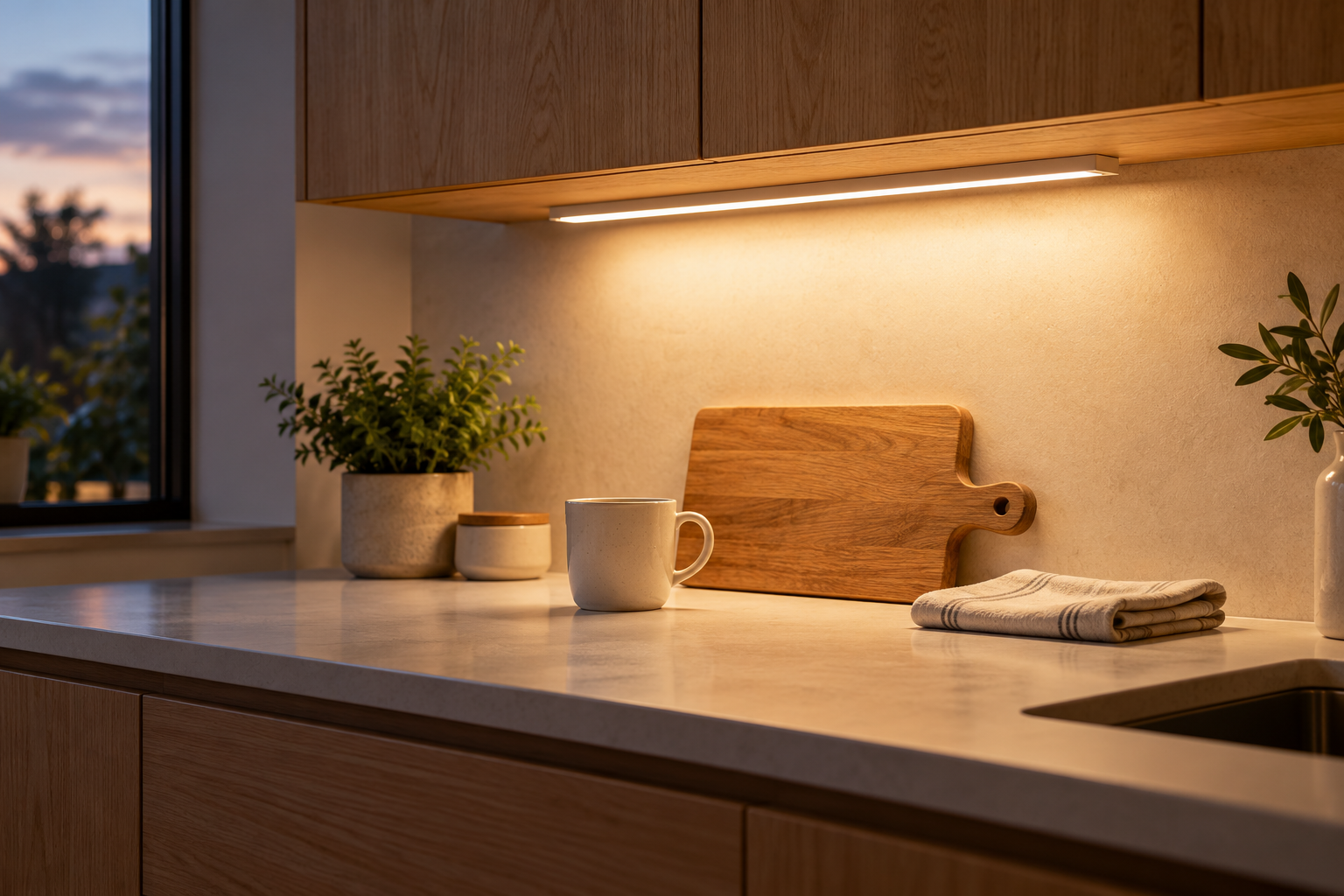
Image: AI-generated concept illustration, not a photograph of a tested product or a specific installation. This guide uses manufacturer documentation, not hands-on product testing.
A light you switch on to find a mug has a different job from one you use throughout dinner prep. Before comparing slim profiles, sensors or mounting clips, ask one question: Will this light run for a few minutes at a time, or for a substantial part of most evenings?
For brief cabinet access, rechargeable lighting can be a practical way to avoid routing a cord. For regular countertop work, start by considering plug-in lighting, provided there is a suitable outlet and a safe, acceptable cord route. Neither power source guarantees the brightness, coverage or installation method you need.
First, check whether you need another light
Use your kitchen normally for an evening. Notice exactly where you cannot see well: inside a deep cabinet, at the chopping board, or along the entire counter. Turn on the lights you already have and check whether moving an object that blocks them solves the problem.
If the only dark area is an infrequently opened cupboard, you may not need a full under-cabinet system. If existing lighting already gives you comfortable visibility, skip the purchase. Buy for a specific visibility problem rather than an attractive photo of someone else’s kitchen.
Rechargeable: consider it for short, occasional use
A rechargeable light makes sense when there is no convenient outlet at the target spot and you are willing to recharge it. Think of fetching something from a cupboard, checking a shelf or briefly illuminating a small area.
Before choosing one, picture the maintenance: can you reach and remove the light easily, and where will you charge it? A light tucked behind stored items may be awkward to retrieve. Several separate lights also mean several charging tasks.
Check the controls as carefully as the battery. A motion sensor that suits quick cabinet access may interrupt a longer task if its timeout or detection pattern does not suit your movements. Look for the exact model’s operating modes rather than assuming every sensor light offers continuous illumination.
Translate battery claims into their stated conditions
A battery-life claim expressed in days is useful only when you know the assumed daily use. Look for how long the light stays on each time, how often it is activated, and whether the claim applies to a particular brightness setting, operating mode or battery specification.
Compare those conditions with your routine. A claim based on brief sensor activations does not tell you how the light will perform during a long cooking session. Even if you can calculate the total minutes behind a claim, that arithmetic is not a tested continuous-runtime rating or a reliable prediction of your charging schedule. If the conditions are missing, treat the headline cautiously.
Plug-in: consider it for longer, regular sessions
For dinner prep, washing up or another task that keeps the light on nightly, plug-in power avoids making battery charging part of the routine. The trade-off is finding a suitable power connection and living with the cable and mounting arrangement.
Measure the proposed cord route, not just the straight-line distance to an outlet. Check whether the plug or adapter will crowd an outlet you use for appliances, whether cabinet doors can close without trapping the cord, and whether the intended placement suits the product’s location restrictions.
Read the exact installation guide before buying. For example, the GE CYNC reveal Full Color Undercabinet Fixture guide specifies a plug-in position within five feet of an outlet and includes screw-mounting requirements. It also warns against pinching or damaging cords and hiding them behind walls or ceilings where they cannot be inspected. Those are instructions for that product, not universal specifications for every light. Source: GE installation guide
If the plan requires new electrical wiring or an outlet change, pause and involve a qualified electrician. A plug-in shopping decision should not quietly turn into an improvised wiring project.
The short comparison
- Brief access, inconvenient outlet: start with rechargeable options, then check runtime conditions and charging access.
- Longer nightly countertop work: start with plug-in options, then check outlet access, cable routing and coverage.
- No permitted mounting method: neither category is automatically suitable. Battery power does not mean damage-free installation.
- No clear visibility problem: keep your existing setup.
Check these before you buy
- Job: Is this cabinet access, countertop task lighting or decorative glow?
- Duration: How many minutes will it actually run on a normal day?
- Light output: Does the specified brightness and spread suit the area, rather than merely the fixture’s length?
- Power: Can you manage charging, or safely accommodate the specified plug and cord?
- Mounting: Does the manufacturer permit your surface and method? If renting, do you have permission for holes or adhesive?
- Instructions: Have you checked the exact model’s battery, charger, location and installation requirements?
Choose the arrangement you can use comfortably every day. A convenient power source matters most when the light also solves the right problem.